
- Where is London?
- About the region
- Transportation
- Living in the area
- Schooling
- Leisure
- Healthcare
- Relocation support
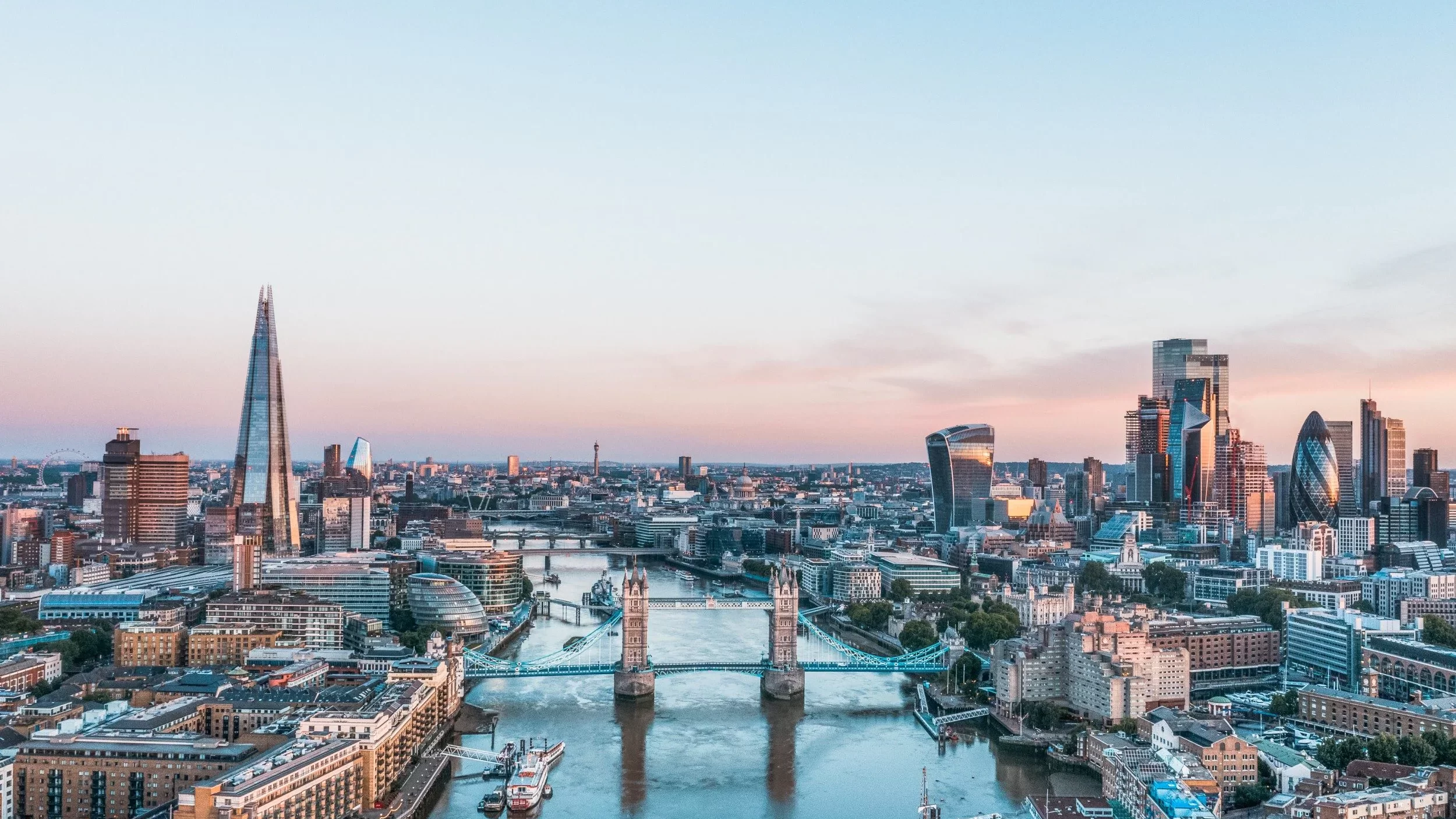
Where is London?
London is the capital of the UK and England. This famous city is based in southeastern England and is known for its history, culture, and global importance in many areas.
Thousands of people visit and live in the city because of its landmarks, modern buildings, museums, parks, theatres, and lively atmosphere.
About the region
South East England is one of the nine official regions of England and is located in the southeastern part of the country.
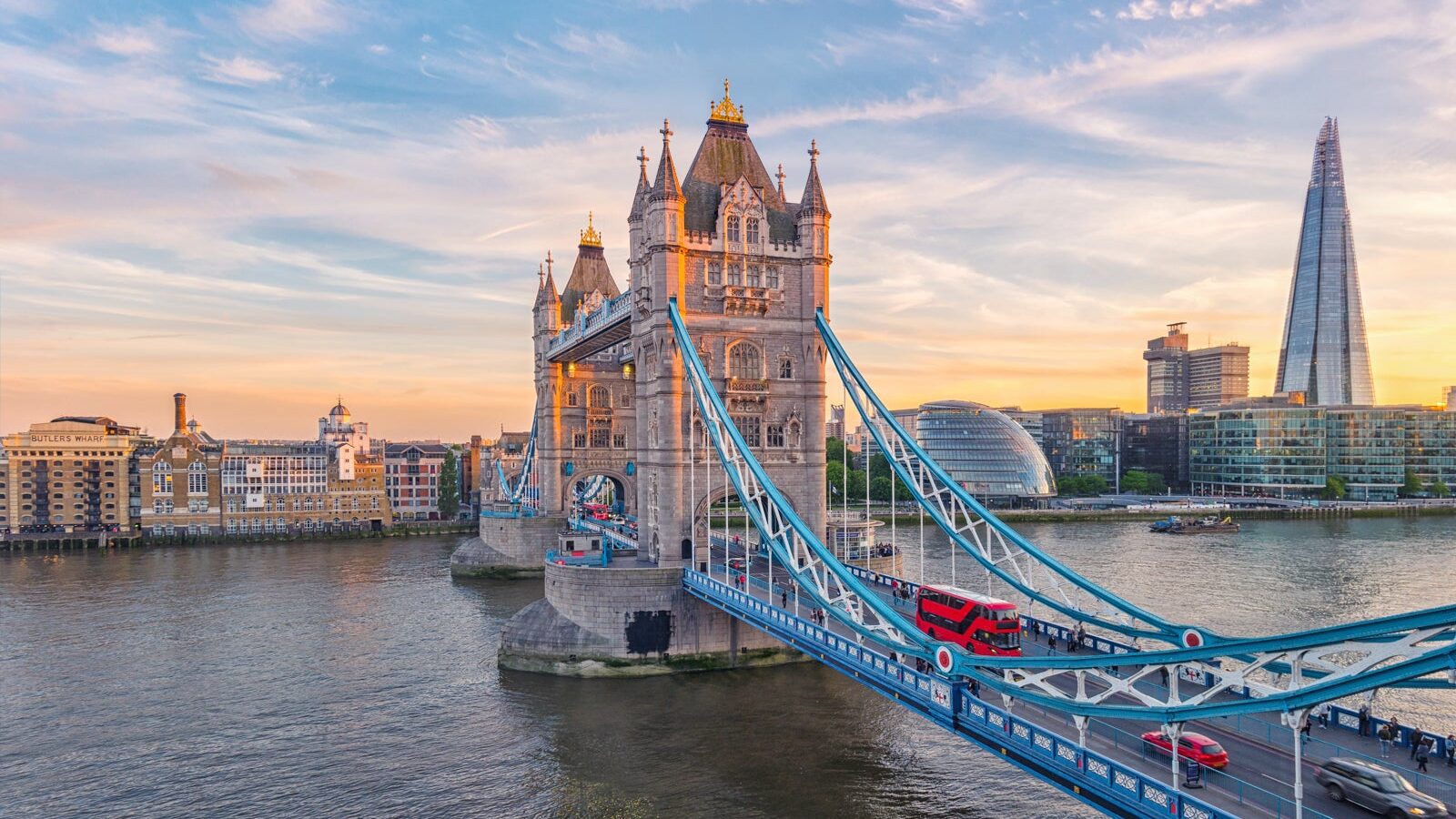
It’s the most populous region in England, encompassing a diverse range of landscapes, from bustling urban centres to picturesque countryside and stunning coastal areas.
In addition to London, South East England is home to several major cities, including Brighton, a popular seaside resort with a vibrant arts scene; Oxford and Cambridge, two world-renowned university cities with a rich academic heritage; Canterbury, known for its historic cathedral and medieval charm; and Southampton, a port city with a maritime history.
The region offers a diverse range of natural landscapes and is steeped in history and cultural attractions.
The region is characterised by rolling hills, farmland, and charming villages in the countryside. It also has stunning coastal areas, including the famous White Cliffs of Dover and popular seaside towns like Brighton.
Transportation
London has a comprehensive and well-developed transportation system that serves millions of residents and visitors daily. The city’s transportation network is known for its efficiency, connectivity, and diversity of options.
- By Car: London is connected by an extensive network of roads and highways. The M25 Motorway encircles Greater London, connecting to various radial routes leading into the city and beyond. The A1, M1, M4, and M3 are also major routes connecting London to cities like Edinburgh (A1), Leeds (M1), Bristol (M4), and Southampton (M3).
- By Train: London has a comprehensive and busy railway network. The London Underground (the Tube) is one of the world’s most famous subway systems and covers an extensive network within London, making it easy to get around the city and its suburbs. In addition to the Tube, there are several mainline train stations, including London Paddington, London Victoria, London Liverpool Street, and London King’s Cross, which offer connections to destinations across the UK.
- By Air: London is served by several major airports, including Heathrow Airport (LHR), Gatwick Airport (LGW), London City Airport, Stansted Airport (STN) and Luton Airport (LTN).
- Public Transport: London’s public transport system is renowned for its coverage and efficiency:
- London Buses: The red double-decker buses serve a vast network within London, offering comprehensive coverage.
- London Underground (the Tube): The subway system is a quick and efficient way to navigate the city and its suburbs.
- Docklands Light Railway (DLR): An automated light rail system connecting parts of East London.
- London Overground: A network of suburban rail services complementing the Tube and connecting various parts of the city.
- Trams: Tram services operate in certain parts of South London.
Living in the area
Living in London offers a dynamic and culturally rich experience. London is a melting pot of cultures, attracting people from all over the world – This diversity is reflected in the city’s cuisine, festivals, arts, and entertainment options, making it an exciting and vibrant place to live.
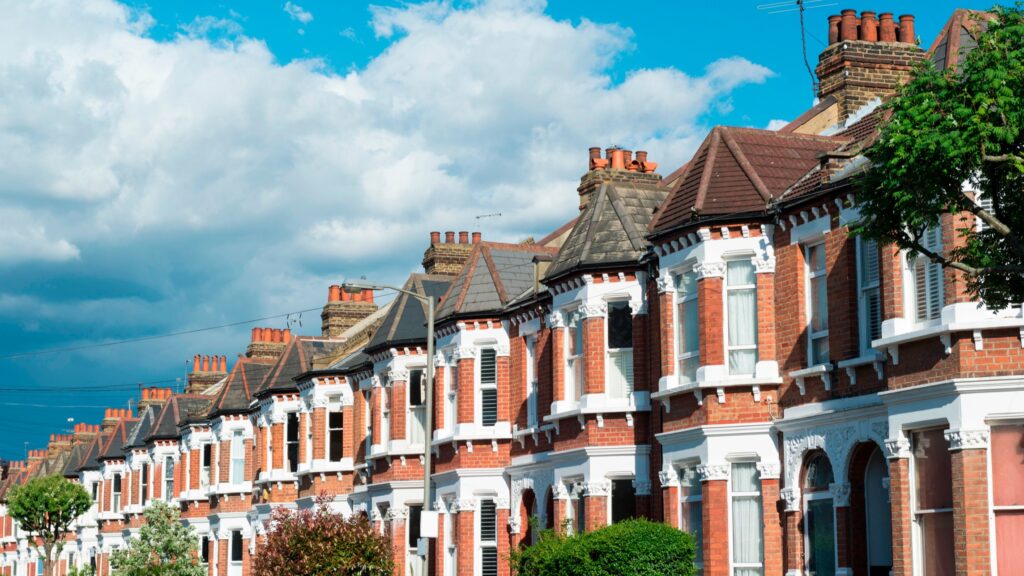
London is a city of neighbourhoods, each with its own unique character and charm. From trendy and vibrant areas like Shoreditch and Camden to more peaceful and upscale places like Kensington and Chelsea, residents can find a neighbourhood that suits their lifestyle and preferences. Despite being a bustling metropolis, London offers an abundance of parks and green spaces, providing residents with opportunities for leisure, relaxation, and outdoor activities.
London is known for its high cost of living. Rental prices and property costs can be particularly expensive, especially in central areas and popular neighbourhoods.
In terms of utilities, including electricity, gas, water, and internet, are regular living expenses. The cost can vary depending on the size of the property and individual usage. The cost of groceries and dining out in London can also be relatively high, especially in restaurants and cafes located in touristy areas. However, residents can find more affordable options in local markets and supermarkets.
Schooling
- Primary Education: Primary education in London follows the same curriculum as the rest of England. Children typically start primary school at the age of 4 or 5 and progress through Key Stages 1 and 2. Primary schools in London offer a broad range of subjects, including English, mathematics, science, and various foundation subjects. Parents often have the option to choose from state-funded primary schools, religious schools, and independent (private) schools.
- Secondary Education: At the secondary level, students in London continue their education from ages 11 to 16. They study a variety of subjects, including core subjects like English, mathematics, and science, as well as additional subjects like history, geography, languages, and the arts. Students typically take their General Certificate of Secondary Education (GCSE) exams at the end of Key Stage 4 (age 16), which are important for future education and career prospects.
- Further Education: After completing their GCSEs, students in London have several options for further education:
- Sixth Form Colleges: These institutions offer courses typically for students aged 16 to 18, including A-levels, vocational courses, and other qualifications.
- Further Education Colleges: These colleges offer a wider range of vocational courses, apprenticeships, and adult education programs.
- Training Providers: These institutions provide specialized training and vocational courses to prepare students for specific careers.
- University Education: London is home to some of the world’s most prestigious universities and higher education institutions:
- University of London: A federal university comprising multiple colleges and institutes, offering a wide range of programs.
- Imperial College London: Known for its focus on science, engineering, medicine, and business.
- University College London (UCL): Offers a variety of disciplines and is one of the largest and oldest universities in London.
- London School of Economics and Political Science (LSE): Renowned for social sciences, economics, politics, law, and related fields.
- King’s College London: Offers a wide range of disciplines, including humanities, sciences, and health-related fields.
- Royal College of Art (RCA): Known for its art and design programs.
- Many more: London hosts a plethora of universities and colleges, each with its own strengths and specialties.
- International Schools: London is a diverse city, and it has numerous international schools that offer education according to various international curricula. These schools cater to expatriate families and provide education in languages other than English.
Leisure activities
London offers a rich tapestry of leisure activities, promising something for everyone.
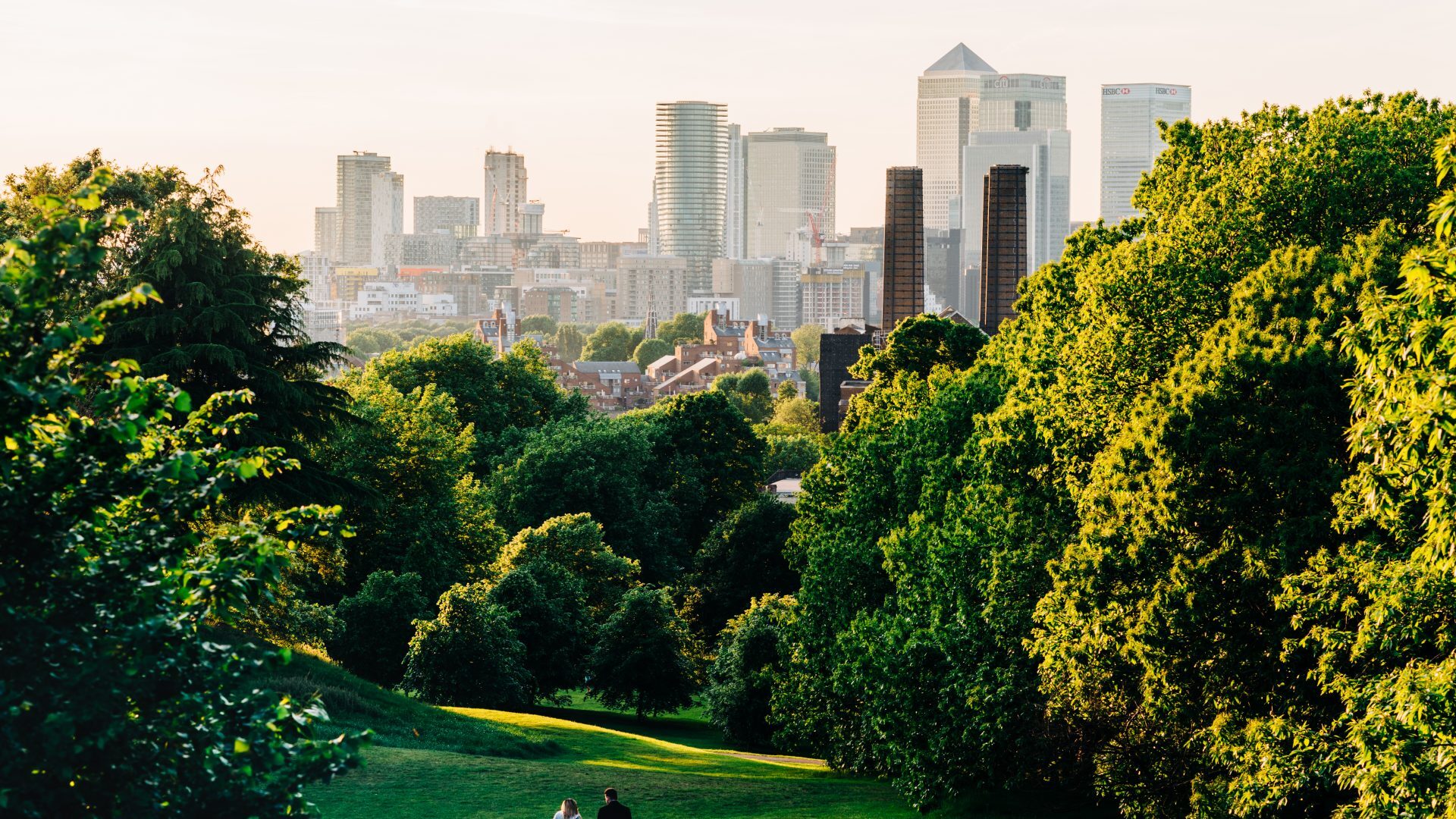
The city’s world-class museums and galleries, such as the British Museum, National Gallery, and Tate Modern, showcase art and history. Iconic landmarks like Buckingham Palace, the London Eye, and Big Ben grace the skyline. Parks and gardens, including Hyde Park, Regent’s Park, and Kew Gardens, provide peaceful retreats. The cultural scene thrives with West End theatres, live music venues, and diverse dining options. From historic markets like Borough Market to shopping meccas like Oxford Street and Regent Street, retail therapy is abundant. Nightlife enthusiasts can explore bustling pubs, vibrant nightclubs, and various events. Throughout the year, cultural festivals like the Notting Hill Carnival and Thames Festival offer lively celebrations.
London’s multifaceted leisure landscape ensures an endless array of experiences for locals and visitors alike.
Healthcare
London’s healthcare landscape is overseen by a network of NHS Trusts, each responsible for managing healthcare services in specific areas.
Barts Health NHS Trust, for instance, manages major hospitals like St Bartholomew’s and The Royal London Hospital in East London. Guy’s and St Thomas’ NHS Foundation Trust operates Guy’s Hospital and St Thomas’ Hospital in Central and South London. Imperial College Healthcare NHS Trust covers West London with hospitals like St Mary’s and Charing Cross. King’s College Hospital NHS Foundation Trust serves South London, while the Royal Free London NHS Foundation Trust operates Royal Free Hospital and more. Mental health services are managed by trusts like Central and North West London NHS Foundation Trust and South London and Maudsley NHS Foundation Trust.
These are just a glimpse of the many Trusts overseeing healthcare services in London, catering to various needs and specialities.
- You can find the website for Barts Health NHS Trust here.
- You can find the website for Guy’s and St Thomas’ NHS Foundation Trust here.
- You can find the website for Imperial College Healthcare NHS Trust here.
- You can find the website for King’s College Hospital NHS Foundation Trust here.
- You can find the website for the Royal Free London NHS Foundation Trust here.
- You can find the website for Central and North West London NHS Foundation Trust here.
- You can find the website for South London and Maudsley NHS Foundation Trust here.
Relocation support
How do Doctors Relocate assist with your relocation?
In addition to providing personalised career guidance, facilitating interviews and managing negotiations to secure the right job opportunity for each individual, we offer ongoing relocation support to our candidates, helping with practical matters such as accommodation arrangements, banking, and setting up other essential services.
Our dedicated team is readily available to address any concerns or queries that you have along the way, ensuring that you feel supported and confident throughout your relocation.
With our guidance, you can confidently navigate the relocation journey, focusing on your professional and personal growth in the UK.
Your essential reading list: Top blogs to help with your relocation to the UK
Moving to the UK: Planning and packing tips
Driving in the UK with an overseas license
Supermarkets and grocery stores in the UK
International airports in the UK
Urgent and emergency care services in the UK
Useful information and contacts in the UK
Registering with a GP and Dentist in the UK
Arranging accommodation in the UK


